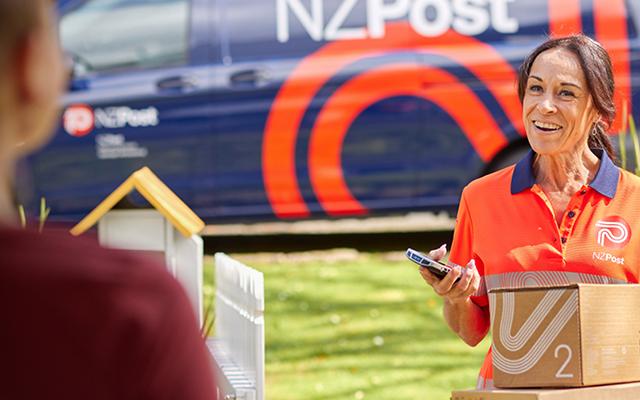

For online retailers, a successful sale doesn’t end at checkout. In many ways, that’s where the most important part of the customer experience begins.
Recent NZ Post research found that 97% of shoppers who have a good delivery experience say they’re likely to buy from that retailer again.1 That’s a compelling reason to get delivery right. During Peak in particular, when volumes and customer expectations are at their highest and many new customers may be attracted to your offers, reliable delivery can have a significant impact on repeat business, operational efficiency and financial performance.
But what happens when delivery doesn’t meet up to expectations? An unreliable delivery experience can cost a retailer far more than the price of sending a parcel. The true cost can show up in additional admin, replacement products, lost margin, poor reviews and, potentially, customers who don’t come back.
The time cost
Ask online retailers about delivery problems and one cost comes up again and again: time. A parcel doesn’t arrive. The customer emails or calls. Someone needs to check the tracking, contact the courier, respond to the customer and potentially follow up again. Multiply that by dozens of parcels during a busy Peak period and the impact quickly adds up.
Neat experienced exactly that before switching to NZ Post. Founder Abby Packer says missing parcels created a significant administrative burden. “The biggest cost was the admin, that back-and-forth with customers, chasing things up, and managing claims. It all adds up.”
CleanPost had a similar experience. After moving to NZ Post, customer calls and delivery enquiries reduced by more than 50%. That didn’t just reduce customer frustration. It freed up valuable time the team could put back into customers, business development and growth.
Double the product cost
When the product is perishable, the costs can become even more tangible. The Kennerley Group sends thousands of boxes of fresh food around New Zealand every day, through leading brands The Meat Box and Paddock to Pantry. If a delivery arrives too late, the original product may need to be written off and another order sent to the customer at no charge.
So one failed delivery can mean the cost of the original product, a replacement product and additional freight, before you even consider the time spent putting things right.
That’s why founder Wayne Kennerley looks at delivery performance in commercial terms. Since moving to NZ Post’s perishable service, delivery reliability increased from around 92% to approximately 98% of parcels delivered the next working day. “These improvements in delivery performance made a big difference to our bottom line,” he says.
Delivering the customer experience
For Angel Delivery, timing is fundamental to what customers are buying. Its care packages are often sent to someone experiencing illness, grief, a new baby or another significant life moment. “Timeliness is incredibly important for us,” says GM Grace Kreft. “It’s about delivering that moment of care when people need it.”
A parcel arriving late doesn't simply mean a slower transaction. It can undermine the experience the customer paid for.
Across most eCommerce, customers rarely distinguish between the retailer and the courier brands. A good delivery experience reflects well on the retailer. When it does go wrong, customers simply know they ordered something from you and it didn't arrive when expected. Vetpost's Greg Walker puts it simply: “A poor delivery experience creates reputational damage, as customers directly associate that experience with your brand, not necessarily the delivery company.”
And future revenue impact
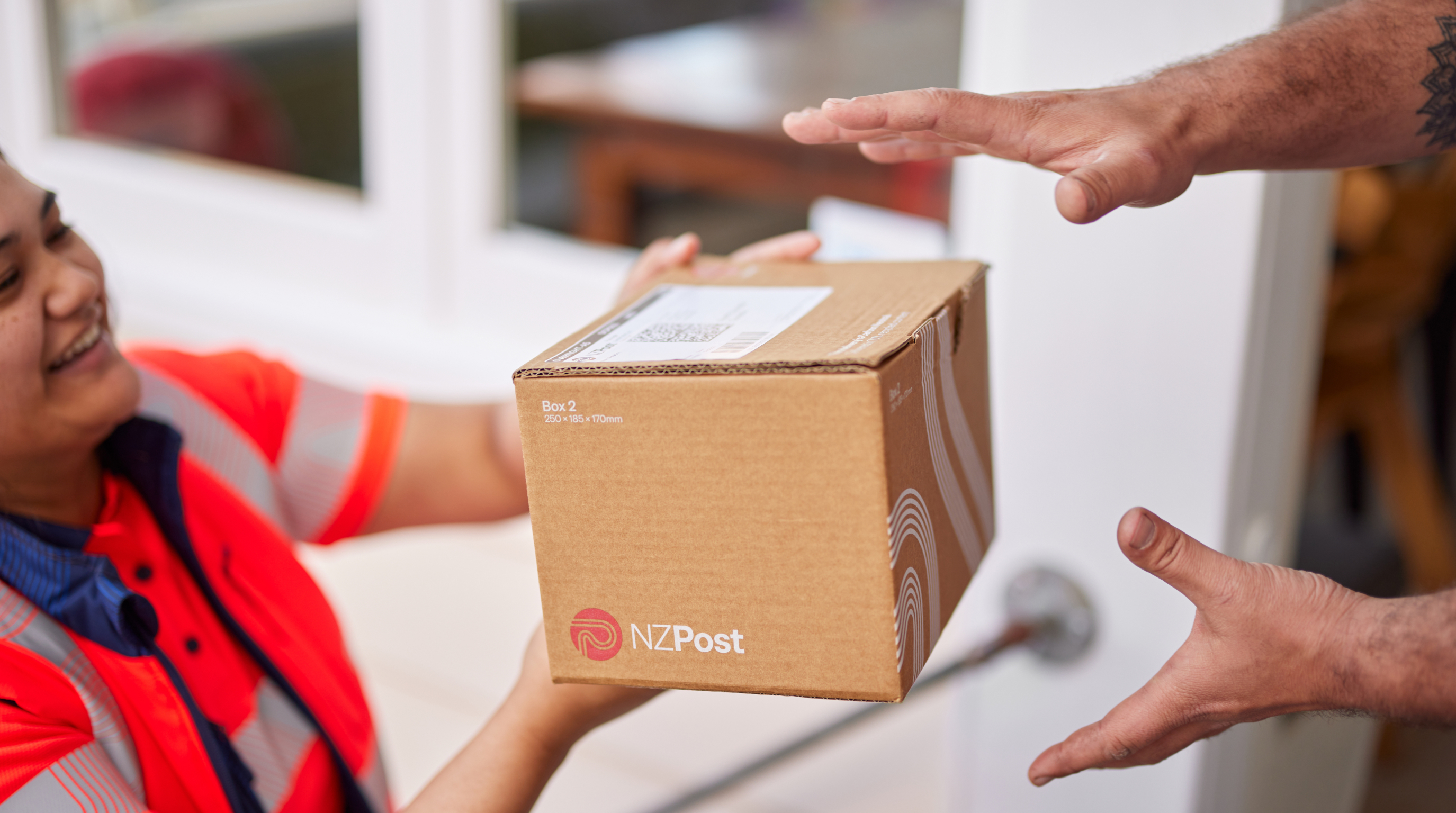
Perhaps the biggest cost of unreliable delivery is the hardest one to measure: the sales that never happen. A good delivery experience contributes to how satisfied a customer feels about buying from you and can influence whether they buy from you again. A poor delivery experience has the opposite effect.
The Sleep Store sees that connection clearly. It has built a highly loyal customer base, thousands of five-star reviews and significant repeat business. Co-founder Louise Tanguay sees reliable delivery as an important part of the trust customers place in the brand: “People shop with us again and again because they trust that what they order will arrive when they expect it to.”
And happy customers don’t just come back themselves. They leave positive reviews, recommend businesses to friends and family, and share good experiences with others.
Neat regularly sees customer reviews commenting on how quickly orders arrive. Those “I can’t believe how quickly it arrived” moments become part of the overall impression customers have of the brand. They help turn satisfied customers into advocates, and advocates bring new customers with them.
The reverse is equally important. A poor delivery experience can mean more than an unhappy customer today. It can mean reduced repeat purchase, a negative review, fewer recommendations and potentially other customers choosing to shop somewhere else.
Reliability matters even more at Peak
Peak is when all these impacts are magnified. There are more parcels moving, more pressure on teams and often a hard deadline sitting behind the purchase.
So, as you prepare for Peak, it’s worth reflecting on just how valuable delivery is to your business and to your customers. Look beyond delivery price alone and consider reliability, visibility, reach, support and how quickly problems can be resolved when something does go wrong. Because the real value of reliable delivery isn't the just the successful sale you made, it’s all those operational, customer and future revenue gains you potentially unlock. And of course, it’s a double benefit because you also avoid all those unreliable delivery costs.
1. NZ Post Receiver Monitor, May '26